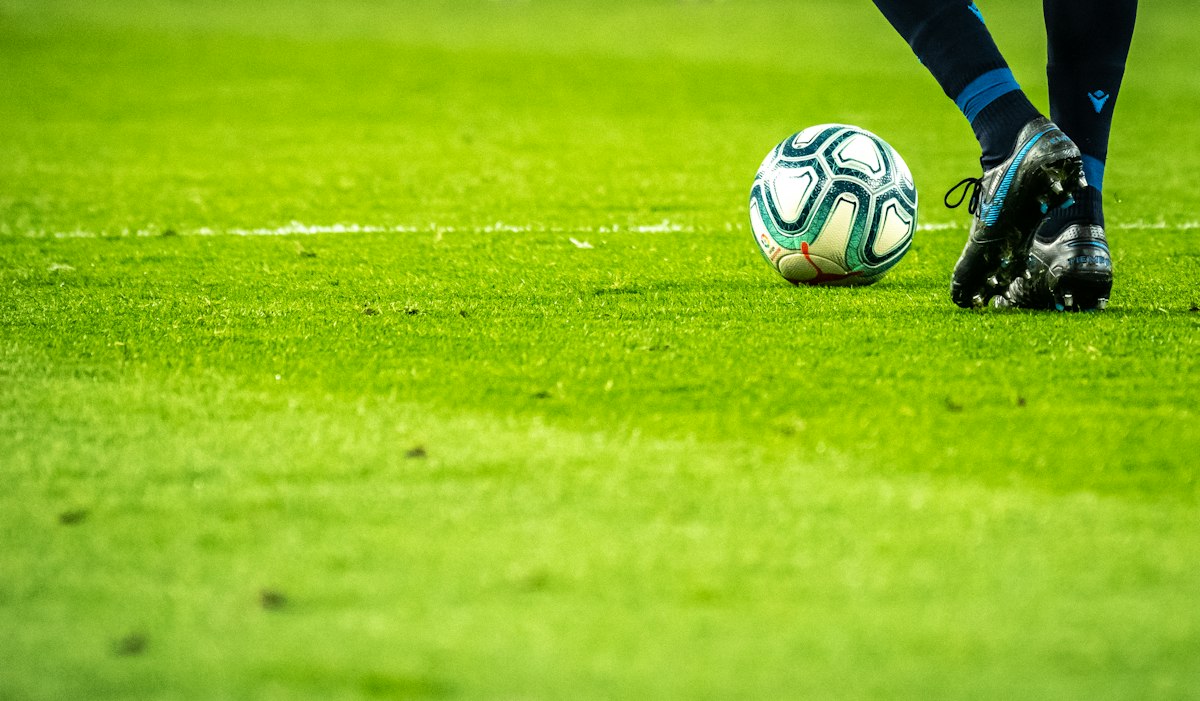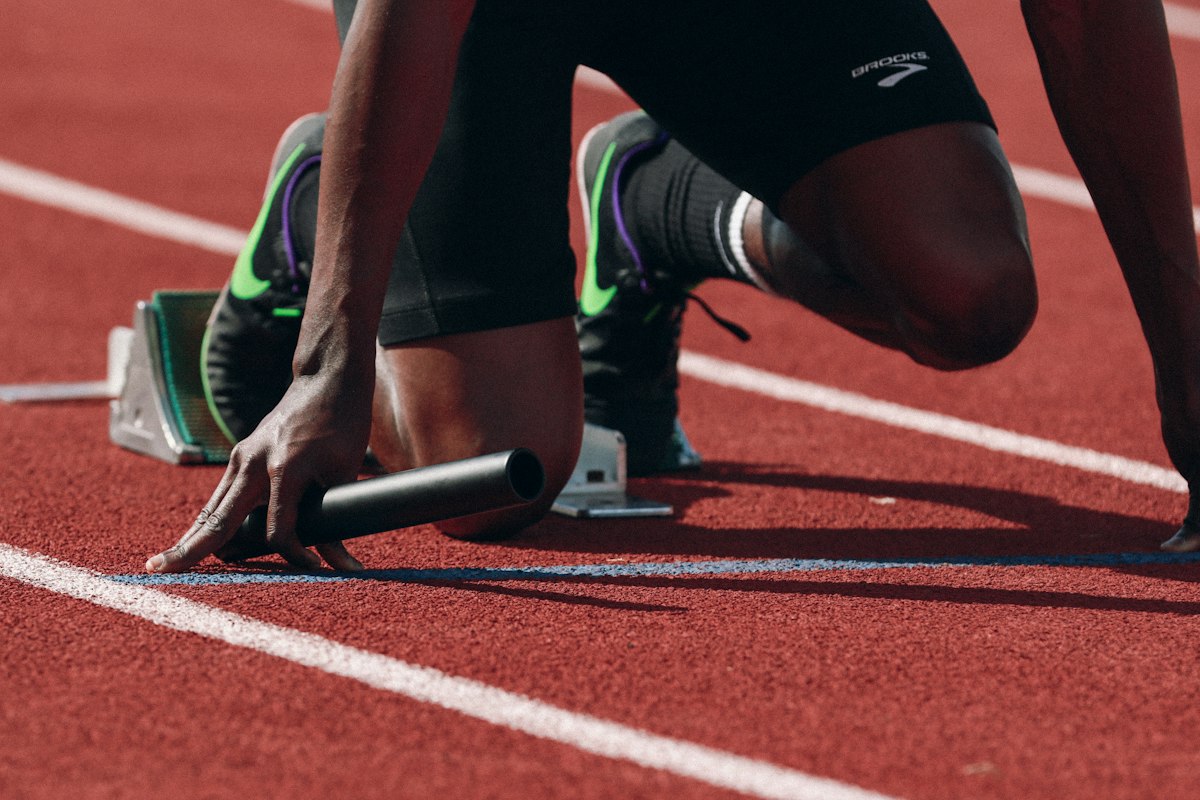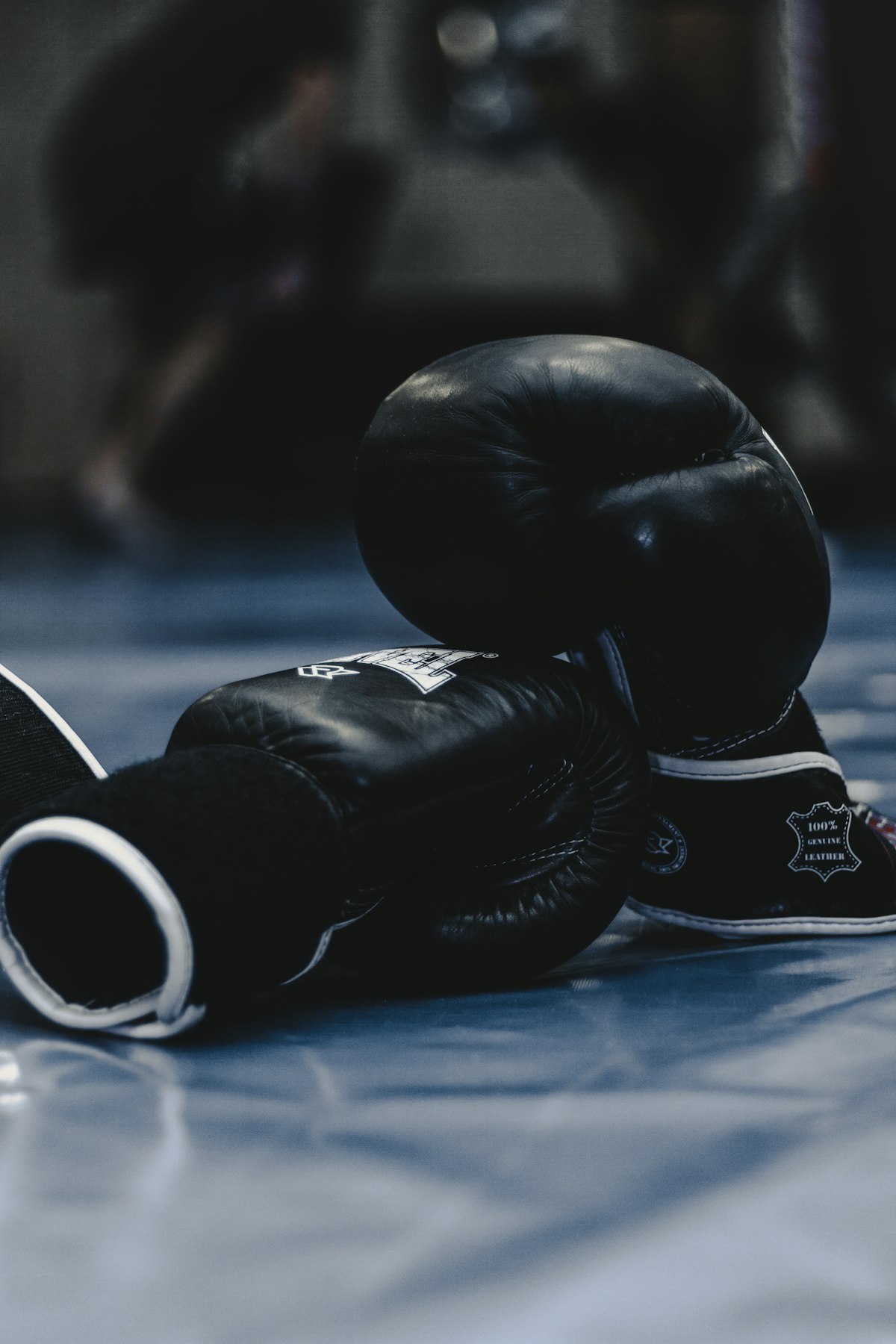
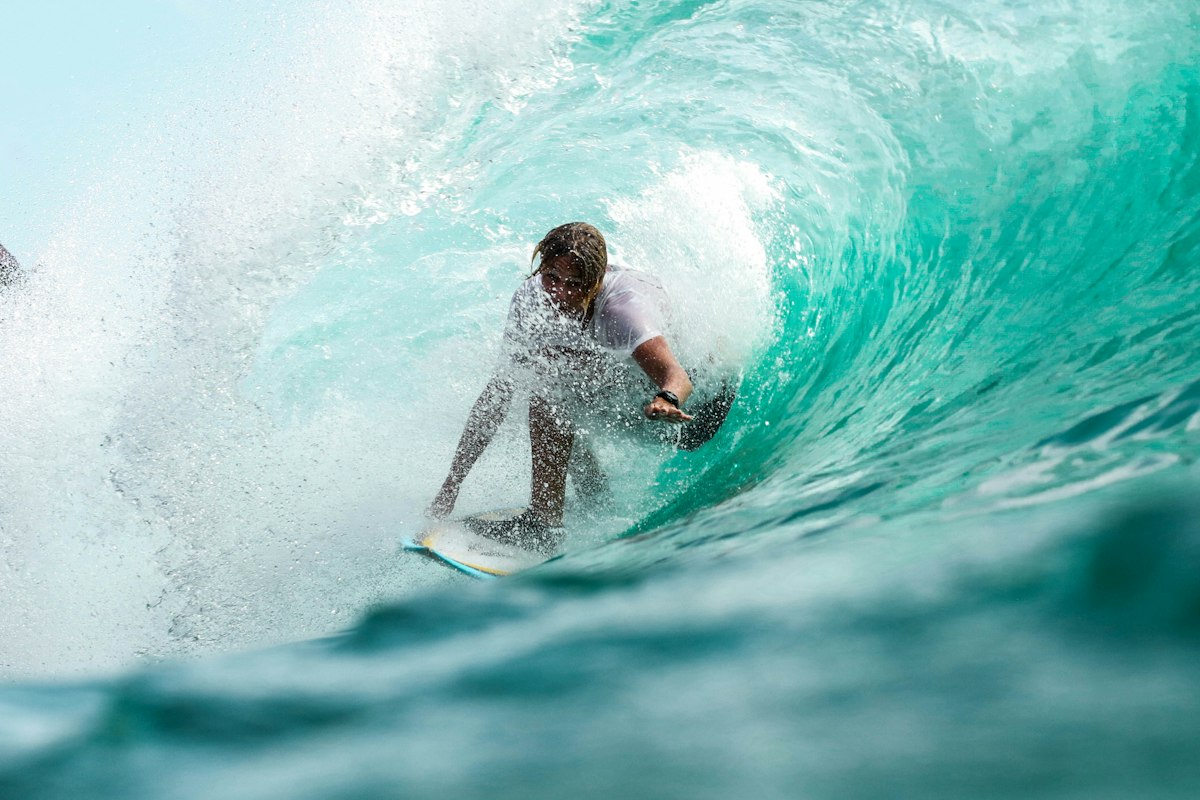
Athletes are among the few people in any profession who are required to retire young. The cricketer who played his last Test match at thirty-five has, in all probability, half a life still ahead of him. The hockey player who hung up her stick at thirty has decades of adult life to navigate without the structure, identity and purpose that sport provided.
This transition — which sports scientists and psychologists now take very seriously — is one of the least-discussed challenges in elite sport. The practical difficulties are real: income, routine, social networks, physical outlets. But the deeper challenge is existential: who am I if I am no longer an athlete?
The answers athletes find to that question are as varied as the individuals themselves. Some move into coaching and mentoring, finding a new way to contribute to the sport that shaped them. Others build careers in business, media, charity or public life. Some discover a faith or a philosophy that gives the second half of their lives a different kind of purpose.
The Second Half column on Sports & Opinion is dedicated to exploring those journeys — because the stories athletes tell after sport are often as instructive, and as human, as anything they achieved during it.
Because every sport has a story. And every story has a second half.